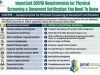
The Computer Science degree remains the single most reliable and high-value career investment in the 2026 market, offering an unmatched lifetime financial return and preparing graduates not just as coders, but as technical architects ready to design and lead in specialized fields like AI, Quantum Computing, and Big Data. Crucially, the modern CS path teaches core logical thinking, essential soft skills, and contemporary technical workflows including Git mastery, secure development practices, and data privacy responsibility, providing the strategic depth that short-term bootcamps cannot match, and setting the foundation for high-paying roles in finance, health, and research.
2026 Viral New Reasons a Computer Science Degree is Worth It
Technology has been noticed to dominate everywhere in 2025. AI, robots, and working from home are changing every industry, from banking to healthcare. Because fast coding schools (bootcamps) exist, people often ask “Is a standard Computer Science (CS) degree still worth the time and money?”

Join our Telegram Channel for Instant Scholarship Updates
The answer is a very clear yes. A CS degree is one of the most stable and future-proof qualifications you can get. It’s not just about learning to write code; it’s about learning the deep, timeless ideas needed to build and design the technology itself.
Why Computer Science Degree Pays for Life
Getting a CS degree is a fantastic investment that pays you back many times over your whole working life.
The Financial Facts
- Job Growth: Tech jobs (computer and IT) are expected to grow by 22% from 2023 to 2033. This is much faster than most other jobs.
- Average Pay: The average salary for computer scientists in the US is around $140,000 per year.
- Lifetime Payback: This degree offers such a high return that it’s like getting 7 times your money back over your career, making it one of the smartest degrees financially.
What It Costs to Study Computer Science
The price of a CS degree changes a lot, but because the starting salaries are so high, you usually earn the money back quickly.
| Program Type | Typical Tuition Cost |
|---|---|
| College Degree (In-State) | $15,000 to $50,000 |
| College Degree (Out-of-State) | Around $60,000 |
The New Computer Science Jobs
Artificial Intelligence (AI) tools can now handle simple coding tasks. This doesn’t take jobs away; it makes the programmer’s job more important. Instead of doing simple work, they now focus on big picture designs. They become the “architects” of technology.
What Modern Computer Science Is
A modern CS degree teaches you the full understanding of computers, software, languages, and math. The most important thing it teaches is how to use systems and software design to solve huge, complicated problems. This is the skill robots can’t copy.
The fastest growing careers globally are in AI and managing large amounts of data (Big Data). You need a CS degree to lead and manage these systems.
Future Technologies You Need to Know in Computer Science
A good degree must cover these exciting new areas:
- Artificial Intelligence (AI) and Machine Learning (ML): Used for self-driving cars, finding diseases, and more.
- Quantum Computing: A brand-new kind of powerful computer that will change how we do things like secure communication.
- Blockchain: Used to make digital transactions and identities secure (more than just cryptocurrency).
- 5G and Edge Computing: Makes data move super fast for smart cities and factories.
What You Should Learn (The Basics and The Big Picture)
A CS degree is a reliable choice because it focuses on logic, math, and systems thinking. These are skills that will never go out of date.
Core Classes and Technical Skills
| Course Category | What You Focus On | Skills You Get |
|---|---|---|
| The Basics | How data is organized, problem-solving steps (Algorithms), operating systems, and building software. | Coding (Python, Java, SQL), Thinking Logically, Database Management. |
| Specialized | AI, Machine Learning, Keeping systems safe (Cybersecurity), Cloud computing. | Building software projects, Network safety, Using ML to solve real problems. |
The Essential Human Skills (Robots Can’t Do This)
In 2026, just being good at tech isn’t enough. The most valuable people are those who mix technical skills with big picture, human understanding.
| Skill Type | Key Abilities for 2026 |
|---|---|
| Human Skills | Being flexible, talking clearly (explaining tech simply), managing your time, and working well with international teams. |
| Ethical Thinking | Understanding if AI is fair and making sure data is used safely and responsibly. |
| Business Sense | Turning a company’s needs into a working technical solution. |
Your Future Job Titles and Pay as a Computer Science Graduate
A computer science degree is your ticket to high-paying jobs all over the world.
High-Demand Jobs and Median Pay
| Job Title | Average Yearly Pay (US) | What You Do |
|---|---|---|
| Computer Research Scientist | $136,620 | Inventing and planning new ways to use computer technology. |
| Software Developer | $127,260 | Building and maintaining complex apps and software. |
| IT Project Manager | $92,669 | Supervising the building and release of tech projects. |
| Cybersecurity Analyst | $80,967 | Protecting computer systems and networks from attacks. |
Top Industries That Hire Computer Science Graduates
- Finance/Banking: Fast computer trading, secure transactions (blockchain), and data safety.
- Health: Managing electronic health records and developing remote care technology.
- Shopping Online: Building e-commerce platforms and using AI for marketing.
- Government: Managing IT systems and keeping public data safe.
Mixing Tech with Other Fields
Since more people work remotely, companies hire based on skill, not location. A degree that teaches you to think globally is a huge advantage.
Interdisciplinary Advantage
If you mix CS with other subjects, you can find high-value, specialized jobs:
- CS + Business: You can lead teams and translate tech ideas into successful products.
- CS + Health: You can create secure, smart tools for medical records and patient care.
Degree vs. Bootcamp
Coding bootcamps teach fast skills, but the bachelor’s degree gives you the credibility, leadership training, and strategic perspective needed for the biggest jobs and inventing new things. The CS degree is the stronger foundation for a career that lasts.
How to Make Your Degree Worth Even More
To make sure your degree pays off, you must link your academic knowledge with real-world industry needs while you study.
Common Mistakes to Avoid as a Computer Science Graduate
- Skipping Internships: Internships are the best way to get real-world experience and are often the path to your first job.
- Forgetting the Basics: Focus heavily on algorithms and data structures; rushing into advanced topics without a strong base is a mistake.
- Giving Up Too Soon: Coding is hard. Learning to keep trying and fix errors (debugging) is the most important skill.
- Just Researching: Don’t just read about tools; spend time building actual, complete projects.
Preparing for the Future Job Market
- Choose Programs Focused on Employability: Select degrees that require team projects and use real-world planning methods.
- Master Tools: Learn to use industry tools like GitHub and Anaconda.
- Practice Interviews: Practice solving common logic problems to show off your problem-solving skills to employers.
- Meet People: Build connections at tech events to learn about hidden job openings.
Modern Workflows and Ethics (The Non-Coding Skills)
In today’s tech world, how you work and how you manage data are just as important as the code you write.
Security and Data Responsibility
- Secure by Design: Every software professional must build security into their projects from the start. You must understand common threats like data leaks and unauthorized access.
- Privacy Rules: Know the basic rules of data privacy (like GDPR in Europe or CCPA in California). You are responsible for protecting user data and handling it legally.
- Version Control (Git): This is the most crucial collaboration tool. Every professional must master Git and GitHub (or similar services) to track code changes, work safely with teams, and prevent mistakes.
Succeeding in Remote and Freelance Roles
- Remote Discipline: Successful remote work requires strong self-management, clear communication, and defined working hours.
- Collaboration Tools: Learn to use tools like Slack (for messaging), Jira (for tracking tasks), and Zoom/Google Meet (for video calls) effectively.
- Freelance Strategy: If you go freelance, focus on building a strong portfolio and practice writing clear contracts to protect your work and ensure you get paid fairly.
Strategies for Long-Term Success
Graduating is just the first step. To ensure success in this fast-moving field, you need a plan for continuous learning and career development.
- Specialize and Certify: A general CS background is good, but going deep into one area (like Cloud or AI) is better. Get special certificates (from AWS, Google, or Cisco) to prove your expertise. This brings higher pay and leadership chances.
- Keep Learning New Skills: Technology changes every year. Make time to learn new code languages and tools. Build personal projects or work on open-source software to practice.
- Develop Soft Skills for the Top: If you want to become a manager or executive, you need great communication, leadership, and project management skills. Focusing on these soft skills will help you get the highest paying roles.
- Network and Build Your Brand: Go to industry events to meet people. Show off your projects and share your ideas online (on GitHub or LinkedIn) to get noticed by employers.
- Explore Starting Your Own Business: Your CS skills are perfect for building your own tech company or software service (SaaS). Learn about business strategy and customers to succeed.
- Seek and Offer Mentorship: Find an experienced person (a mentor) to help guide your career choices. Later, help guide new professionals yourself. This strengthens your knowledge and status as a leader.
Frequently Asked Questions (FAQ)
Is a CS degree necessary if I can learn to code through a bootcamp?
A degree teaches the why (theory, algorithms, systems design, and mathematical logic), while a bootcamp teaches the how (specific tools and languages). The degree provides the foundation needed for architectural, research, and leadership roles that have much higher long-term earning potential.
Will Artificial Intelligence (AI) eventually replace software developers?
No. AI is replacing simple, repetitive coding tasks, which makes the human role more important. Developers are shifting from writing routine code to designing the high-level systems, data structures, and ethical frameworks that the AI tools must follow.
What is the best programming language to start with for a CS major?
Most universities start with Python or Java. Python is excellent for its readability and broad application (data science, AI), while Java is essential for understanding core object-oriented programming principles and enterprise systems.
How long does it usually take to pay off the tuition?
Given the average high starting salaries for CS graduates (often $75,000+), many students can pay off their in-state tuition debt within 3 to 5 years, depending on living costs and financial discipline.
Do I need a Master’s degree in Computer Science?
A Bachelor’s is enough for most entry-level and mid-level developer roles. A Master’s is usually only required if you plan to go into specialized research (like advanced AI/ML), academia, or highly competitive leadership roles at top tech companies.
How important is it to network while I’m still in school?
It is extremely important. Your professional network often leads directly to your first internship and job. Attend hackathons, industry meetups, and leverage campus career fairs. Focus on quality relationships, not just quantity.
If I’m an older student, is it too late to switch to Computer Science?
No. The tech industry values diverse perspectives and life experience. Focus on skills (algorithms, system design) and highlight your prior professional experience as an asset in your applications.
What is “Secure by Design” and why is it mentioned in the job market?
“Secure by Design” is a principle where security considerations (like guarding against data breaches) are built into the software from the very first planning stages, rather than being added as an afterthought. This prevents expensive security failures later.
What non-technical skill should I focus on most to advance quickly?
Communication. Being able to clearly explain complex technical concepts to non-technical stakeholders (like business executives or clients) is the number one skill that separates high-paid leaders from standard developers.
Is a CS degree required to work remotely in tech?
While many remote jobs accept experience over a degree, a CS degree gives you a competitive edge. It provides the structured knowledge and credibility that makes it easier to secure highly paid remote roles, especially in global companies.