Key Takeaway
Key Point 1: Many countries are actively looking for students because they have aging populations and need new workers.
Thank you for reading this post, don't forget to subscribe!Key Point 2: Germany is the best choice if you want to save money, as most of their public colleges are free.
Key Point 3: Canada is looking for people with specific skills, like healthcare and trades, making it easier for those students to stay.
Key Point 4: The UK and Australia have updated their rules to focus on students who choose tech and science subjects.
Key Point 5: Japan and South Korea are offering big scholarships to attract tech-savvy students from around the world.
Key Point 6: Choosing a course that matches what a country needs is the best way to get your visa approved quickly.
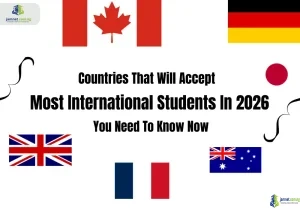
Countries That Will Accept Most International Students In 2026 You Need To Know Now
The system of international study is changing fast as we head into 2026. While some of the big name countries are making it a bit harder to get in, others are rolling out the red carpet. These nations know that students from other countries bring new ideas and help the local economy grow. If you are thinking about studying abroad, picking a country that actually wants you there is the best way to start.

Join our Telegram Channel for Instant Scholarship Updates
In 2026, countries are not only looking for your tuition money, they are looking for people who can stay and help build their future. This guide covers the top places that will be accepting lots of students in 2026. We will talk about the perks they offer, like free classes or a simple path to finding a job after you graduate.
At a Glance: Working After You Graduate in 2026
| Country | Visa Type | How Long? | Main Perk |
|---|---|---|---|
| Germany | Job Seeker | 18 Months | Easy way to get a permanent European work permit |
| Canada | PGWP | Up to 3 Years | Very high chance of getting permanent residency |
| Australia | Subclass 485 | 2–4 Years | Some of the best starting pay in the world |
| UK | Graduate Route | 2 Years | Work anywhere without needing a company to sponsor you |
| France | APS / VLS-TS | 12 Months | Travel and work across the whole Schengen area |
2026 Budget Guide: What Life Costs Each Month in this Countries
Planning your budget is a big deal. Here is a realistic look at what you will likely spend on rent, food, and getting around in this countries in 2026:
- Germany: €950 – €1,200. Big cities like Munich cost more, but smaller towns in the East are much cheaper.
- France: €800 – €1,100. Paris is pricey, but cities like Lyon or Toulouse are much friendlier on your wallet.
- South Korea: ₩1,200,000 – ₩1,600,000. Eating out and taking the bus is cheap, but rent in Seoul is going up.
- Australia: AUD $2,500 – $3,200. It’s expensive, but the high pay for part-time jobs helps a lot.
- Canada: CAD $2,000 – $2,800. Rent is usually your biggest bill, so many students are moving to smaller cities to save cash.
How Long Does the Visa Take? (2026 Estimates)
Nobody likes waiting. Here is how long you can expect to wait for your visa to be processed in 2026:
- France: 2 to 4 weeks. They are usually the quickest in Europe because of their easy online system.
- Germany: 4 to 12 weeks. It’s a popular spot, so you need to book your appointment months in advance.
- Canada: 8 to 16 weeks. They’ve added a few extra steps lately, so applying early is a must.
- Australia: 3 to 8 weeks. If you pick a top-rated university, your visa will usually move much faster.
- Japan: 4 to 8 weeks. This starts after your school gets the official “OK” from the government.
Top 5 Countries That Will Accept Most International Students In 2026 You Need To Know Now (Ranked)
1. Germany
Germany is the #1 spot for students in 2026. The country has a lot of open jobs and needs workers desperately. Because of this, public colleges are still free for almost everyone, including international students.
The Work and Study Perks for Aspiring Germany International Students
Germany has something cool called “Duales Studium.” This lets you go to school and work for a company at the same time. You get to learn on the job and get paid while you study.
- Working Rules: You can work part time while you are in school. They recently increased the hours you are allowed to work, too (20 hours/week during semesters).
- Staying After: You can stay for 18 months after you finish your degree to find a job. Once you are working, it is easy to get a long term permit.
- The Bank Account Rule: To get a visa, you have to show you have about €11,900 in a special account to prove you can pay for your life for the first year.
2. Canada
Canada recently put a limit on how many international students can come in to the country, but they are still very welcoming if you are studying the right thing. In 2026, they really want people studying things like tech, or trades like building and plumbing.
Moving Away from Big Cities
In 2026, Canada is encouraging students to go to provinces like Saskatchewan or Nova Scotia instead of just Toronto. It is often much faster to get permanent residency if you study in these areas.
- The Letter You Need: Most students now need a special letter from the province they want to study in.
- Staying for Good: The work permit you get after graduating is still the best way to eventually become a permanent resident.
3. Australia
Australia has cleaned up its rules to make sure they are getting “genuine students.” In 2026, they are focusing on people who pick degrees that match the jobs Australia needs to fill.
Proving You are a Real Student
You now have to pass a “Genuine Student” test. This is a way for the government to see that you really want to study and are not just using a student visa to work. If you have a clear plan, you will be fine.
- Good Wages: Australia is expensive, but you get paid well. Even a part time job at a café can help cover your rent.
- Regional Perks: If you study in a “regional” city (like Perth or Adelaide), you can often stay and work for an extra year or two after you graduate.
4. France
France wants half a million international students by 2027. This means 2026 will be a great year to apply. They are adding more classes taught in English so you do not have to be a French expert to get started.
The Elite Schools
France has “Grandes Écoles,” which are top-tier schools for business and engineering. They have great connections to big companies like Airbus and L’Oréal.
- Rent Help: France is one of the only countries that actually gives you money back every month to help pay your rent (it’s called CAF).
- The Talent Passport: If you get a Master’s degree, you might get a “Talent Passport,” which lets you stay and work for four years without needing a specific boss to sponsor you.
5. Japan and South Korea
Both Japan and South Korea have a lot of older people and need young talent to keep their tech industries going. They are spending a lot of money on scholarships for international students.
The Tech Focus
- Japan: They have a new visa that lets graduates from top world universities stay for two years just to look for a job or start a company.
- South Korea: The “Global Korea Scholarship” is amazing. It pays for your tuition, your flights, and gives you money for food every month. They are especially looking for people into AI and chips.
Emerging Hotspots Countries to Watch Out For in 2026: Ireland and the Netherlands
If the Big Five do not fit your needs, two other European countries are becoming major players for international students in 2026.
- Ireland: Known as the Silicon Valley of Europe. Ireland is a great choice for tech and finance students. You get a 2 year stay back option after a Masters degree, and it is the only English speaking country in the Eurozone.
- The Netherlands: Almost everyone speaks English here, and the Orientation Year visa gives you a year to find a high skilled job. It is perfect for those studying sustainability or engineering.
Top Scholarships in These Countries for 2026
Even in affordable countries, a scholarship can change your life. In 2026, keep an eye on these:
- Chevening (UK): Covers everything for a 1-year Master’s degree.
- DAAD (Germany): Great for graduates from developing countries.
- Eiffel (France): For top-tier students in engineering, law, and economics.
- Australia Destination: Offers up to $15,000 a year for students in regional areas.
What If Your Visa Is Rejected? (A 2026 Recovery Guide)
Don’t panic if your first try fails. In 2026, most countries have a clear path to fix these failures;
- Read the Letter: The embassy will tell you exactly why (usually “insufficient funds” or “purpose of stay”).
- The Re-admission/Appeal: In countries like Germany, you can “Remonstrate” (appeal) the decision for free.
- Change Your Plan: Sometimes, switching from a high-risk city to a regional one or adding more proof of your career goals is all it takes for a second time approval.
What You Need to Know About Health Insurance in These Countries in 2026
Staying healthy is important. Here’s how it works for students:
- Germany: You have to pay for a public health plan (about €120 a month). It covers almost everything, so you do not have to worry about big hospital bills.
- France: You get basic government health coverage for free! It pays for about 70% of your costs, and you can buy a cheap extra plan for the rest.
- Australia: You have to buy insurance for your whole stay before you arrive. It covers emergencies and basic doctor visits.
- Canada: Every province is different. Some give you a free health card, while others make you buy a private plan through your school.
Do You Need to Learn the Language? (2026 Update)
Can you get by with just English? In 2026, the answer is mostly.
- Classes in English: There are way more English classes now in France and Japan. You will need a test like IELTS to prove you can speak it.
- Getting a Job: While you can study in English, getting a job in Germany or France is much easier if you know the basics of the local language.
Is the Money Worth It? (Starting Salaries for 2026 in these Countries)
If you are studying to get a better job, here’s what you might earn as a fresh graduate in fields like tech or nursing:
- Australia: AUD $65,000 – $85,000.
- Germany: €45,000 – €55,000.
- Canada: CAD $55,000 – $75,000.
- South Korea: ₩35,000,000 – ₩48,000,000.
Safety and Living Well in 2026 in These Countries
Safety is a top priority. Japan and South Korea are famously safe with very low crime. Germany and Canada are also great places to live, but it is always smart to check out the specific area where you will be staying. Australia is known for being very welcoming and having lots of support for students from other countries.
Studying Sustainability(The “Green” Trend)
If you are into “Green Tech” or “Climate Change,” 2026 is your year. Countries like the Netherlands and Germany are fast tracking visas for students in these fields because they want experts who can help save the planet.
Working Remotely While You Study
In 2026, some countries are becoming more relaxed about students who have remote jobs from back home. As long as you follow the local tax rules, it is a great way to pay for your education while you live abroad.
Quick Checklist for 2026 Applicants
- Germany: Best for free classes and engineering.
- Canada: Best for staying long term and getting residency.
- Australia: Best for high pay and a fun, outdoor life.
- France: Best for cheap rent and traveling around Europe.
- Ireland: Best for English speakers wanting a tech job.
- Japan/South Korea: Best for anyone obsessed with tech and AI.
2026 is going to be a huge year for anyone wanting to study abroad. Countries like Germany, Canada, and France are actively looking for people just like you. By picking a place that has good work rules and likes international students, you can build a great future without all the stress.
The world is changing, and the best students will be the ones who are ready to adapt. Whether you want to study in a high-tech lab in Seoul or a classic university in Berlin, the opportunity is there. Start your research now, get your papers ready, and take that first step toward your global career!
Frequently Asked Questions
Which country is easiest to get a visa for in 2026? Germany and France are usually the most straightforward if you have your money and grades in order.
Can I really study for free? Yes! Public universities in Germany don’t charge tuition for most programs.
Can I work while I’m a student? Yes, almost every country lets you work about 20 hours a week while you’re in school.
Do I have to speak the local language? Many programs are in English, but knowing a bit of the local language will make your life much easier.
What is a “Blocked Account”? It’s a special account for Germany where you put your living money upfront to prove you can support yourself.
Where is it easiest to stay forever? Canada and Australia have the most clear-cut rules for staying after you graduate.
Am I too old to study abroad? No! People of all ages study abroad. You just might have to explain what you’ve been doing since you were last in school.
When should I start applying for 2026? Ideally, start looking at least a year before you want to go.
Will AI change how I apply? Yes, schools are using AI to check your essays, so make sure your writing is yours and feels real.
What if my grades aren’t perfect? Don’t worry. Many schools in Canada and Germany look at your work experience and your whole story, not just your GPA.